Why Japan issued its first-ever mega-earthquake alert
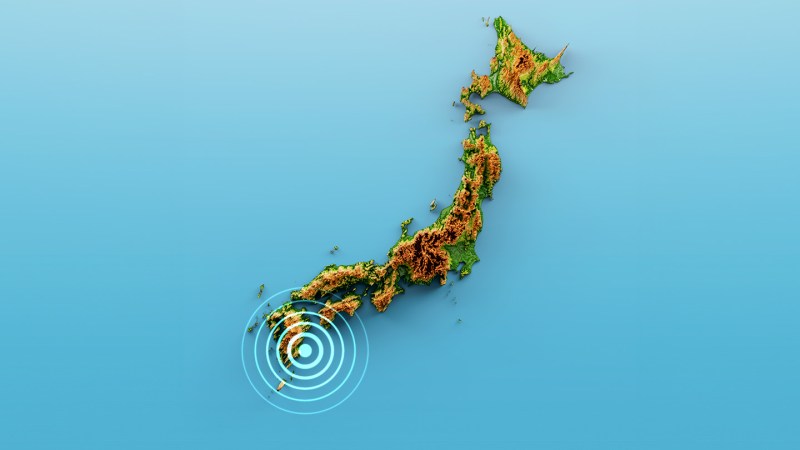
A map of Japan is shown.

On August 8, the Japanese Meteorological Agency issued its first-ever “megaquake alert,” after a magnitude 7.1 earthquake rocked the Miyazaki prefecture in southern Japan earlier that day. The Miyazaki quake injured at least 16 people and generated minor tsunamis up to 50 centimeters tall that reached the country’s coastline about half an hour later. The … Read more
A hunger protein reverses anorexia symptoms in mice

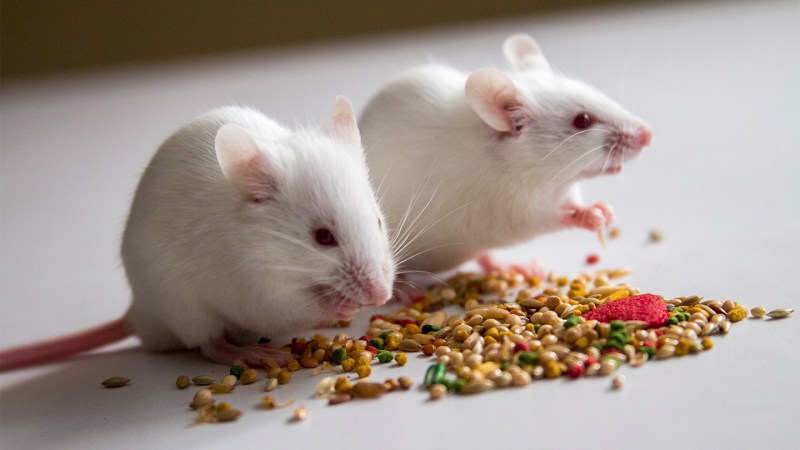
Two white mice sit side by side as they eat from a pile of bird seed off of a white table.

An appetite-stimulating protein can reverse anorexia in mice. Mice with lack of appetite and weight loss — symptoms similar to people with anorexia — that were genetically tweaked to secrete a protein called ACBP ate more food and weighed more than anorexic animals with an ACBP deficit, researchers report August 14 in Science Translational Medicine. … Read more

Some meteors leave trails lasting up to an hour. Now we may know why

Some meteors leave trails lasting up to an hour. Now we may know why

To leave a lasting trail, meteors need to aim low. A new survey of shooting stars shows that meteors that blaze through 90 kilometers up in the sky leave a persistent afterglow, unlike those that burn up at greater heights. Meteors are normally blink-and-you’ll-miss-it events. A particle of space dust leaves a fiery trail of … Read more

Dark matter experiments get a first peek at the ‘neutrino fog’ 

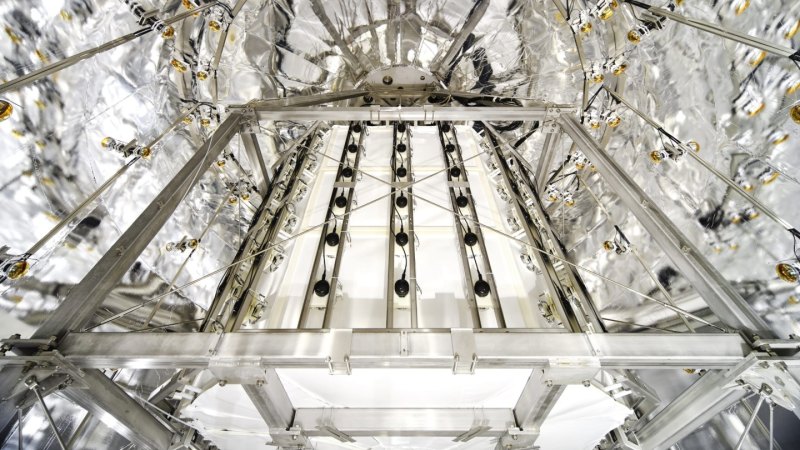
A metal structure in the innards of the XENON-nT experiment.

The neutrino “fog” is beginning to materialize. Lightweight subatomic particles called neutrinos have begun elbowing their way into the data of experiments not designed to spot them. Two experiments, built to detect particles of dark matter, have caught initial glimpses of neutrinos born in the sun, physicists report. “That’s a triumph,” says neutrino physicist Kate … Read more

Why mpox is a global health emergency — again

The hands of a health care worker wearing gloves hold a vial and a swab that

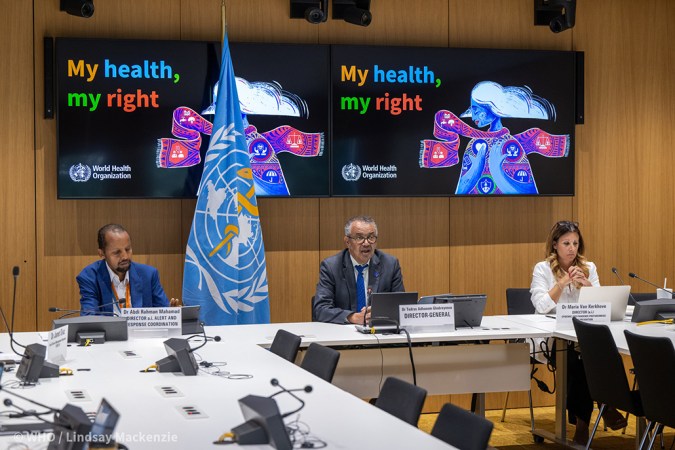
For the second time, the World Health Organization has declared that mpox, formerly called monkeypox, is a global health emergency. In 2022, global spread of the virus, which causes rashes, fevers, muscle aches and other symptoms, led to the first emergency declaration (SN: 7/22/22). That version of the virus, called clade II, is still causing … Read more

Scientists want to send endangered species to the moon

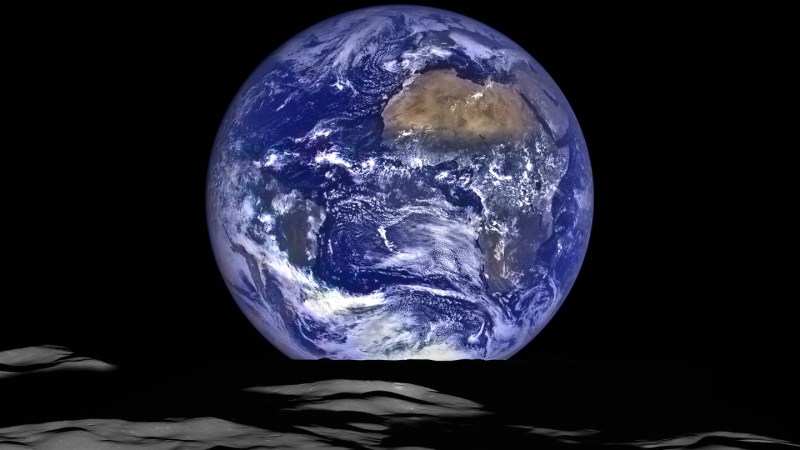
A photo of Earth taken by a NASA spacecraft in orbit around the moon

As more and more species near extinction, scientists have been collecting samples from animals, plants and other creatures and storing them in biorepositories across the globe (SN: 5/8/19). But climate change, environmental disasters and wars threaten these modern Noah’s arks (SN: 2/28/22). Now, a team of researchers is brainstorming an out-of-this-world solution: building one of … Read more

Paper cut physics pinpoints the most hazardous types of paper

A photo of a hand with a paper cut on the index finger.

Any way you slice it, a paper cut is painful.  Magazines, letters and books harbor a devious potential for minor self-induced agony. But other types of paper — like thin tissue paper or the thicker stuff used for postcards — are less likely to offend. Scientists have now explained the physics behind why some paper … Read more

Your medications might make it harder for you to beat the heat

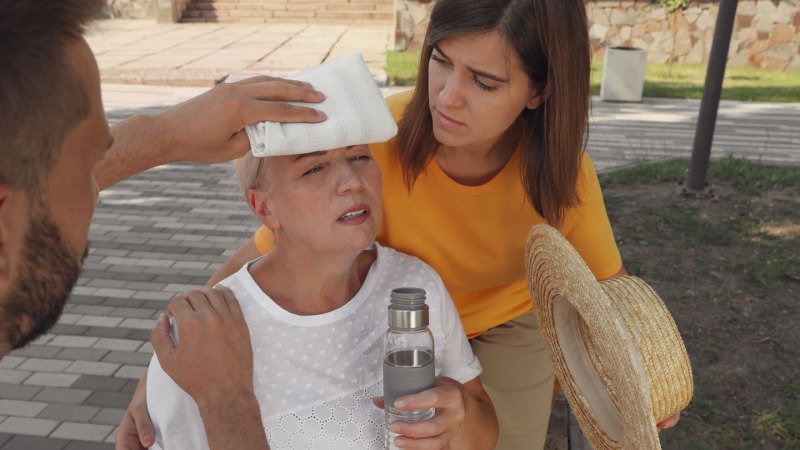
A man puts a white cloth on a woman

The pills stocked inside your medicine cabinet may factor into how well you can handle summer heat. Extreme heat can be deadly. As outdoor temperatures sizzle, our bodies jump into action to keep internal temps under control (SN: 8/6/23). Blood rushes to the surface of our skin to release heat as sweat pours onto it, … Read more

More than 4 billion people may not have access to clean water

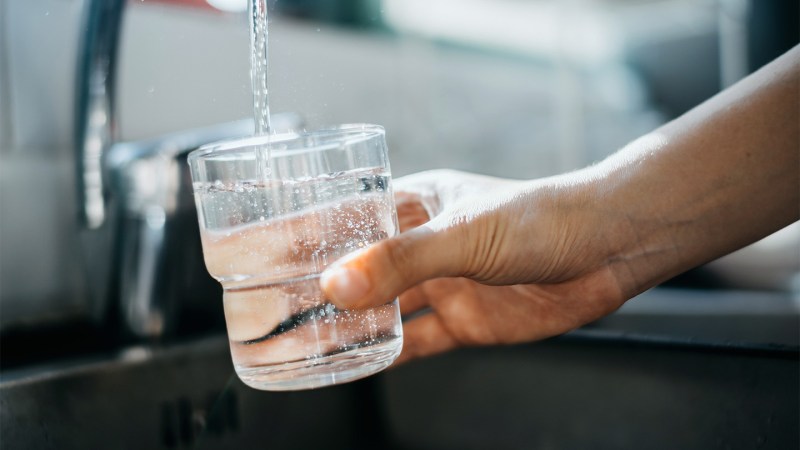
A stock image of a person holding a glass under a running faucet. The cup is filling with drinking water.

Access to clean water is a human right — one that half of the world may not have. Out of the roughly 8 billion people on Earth, more than 4.4 billion lack access to safely managed drinking water, researchers report August 15 in Science. The estimate, based on computer simulations of data from low- and … Read more

Astronauts actually get stuck in space all the time

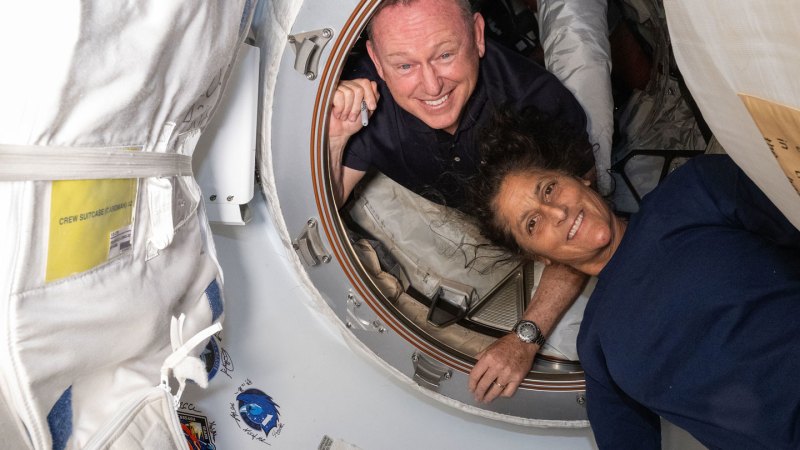
Astronauts Sunita Williams and Butch Wilmore float in the International Space Station.

Imagine going on a weeklong business trip and not coming home until the following year. That may be the situation for U.S. astronauts Sunita Williams and Butch Wilmore, whose eight-day mission to the International Space Station has already stretched to more than two months and is likely to go even longer. The pair launched to … Read more