Can light spark superconductivity? A new study reignites debate

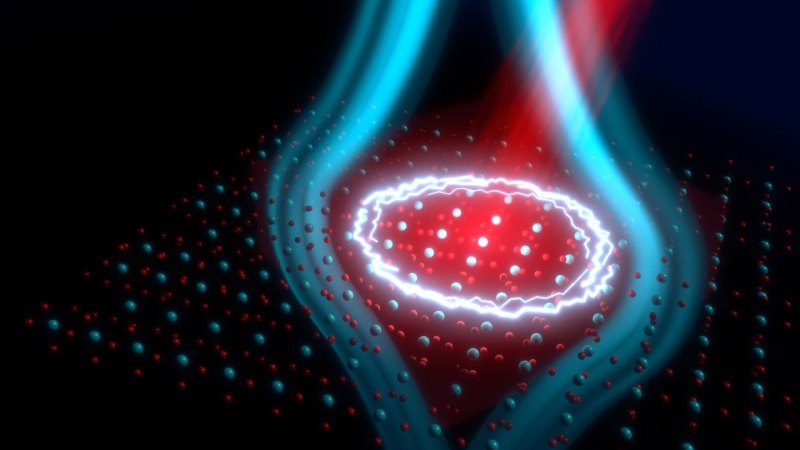
An illustration shows a grid of atoms being hit with a red beam of laser light. Blue lines indicating a magnetic field emanate from the lit-up region.

Brief blasts of light might make some materials into fleeting superconductors. A new study strengthens the case for this controversial claim, first made more than a decade ago. But while some physicists are convinced, others remain skeptical. Superconductors transmit electricity without resistance, typically only at low temperatures. But since 2011, some scientists have claimed that … Read more

Scientists are getting serious about UFOs. Here’s why

digital art of an unexplained anomalous phenomena (UAP)

For millennia, humans have seen inexplicable things in the sky. Some have been beautiful, some have been terrifying, and some — like auroras and solar eclipses before they were understood scientifically — have been both. Today’s aircraft, balloons, drones, satellites and more only increase the chances of spotting something confounding overhead. In the United States, … Read more

Moonquakes are much more common than thought, Apollo data suggest

An Apollo 11 astronaut places a seismometer on the surface of the moon.

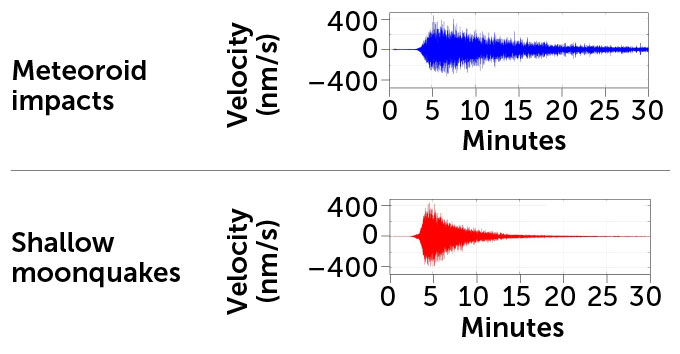
A new look at decades-old data from the Apollo missions has uncovered evidence of tens of thousands of previously unrecognized moonquakes. The results could reveal details about the moon’s inner workings and could have implications for future human missions. “There were more tectonic events on the moon, it’s more tectonically active than considered before,” says … Read more

Your face’s hot spots may reveal how well you are aging

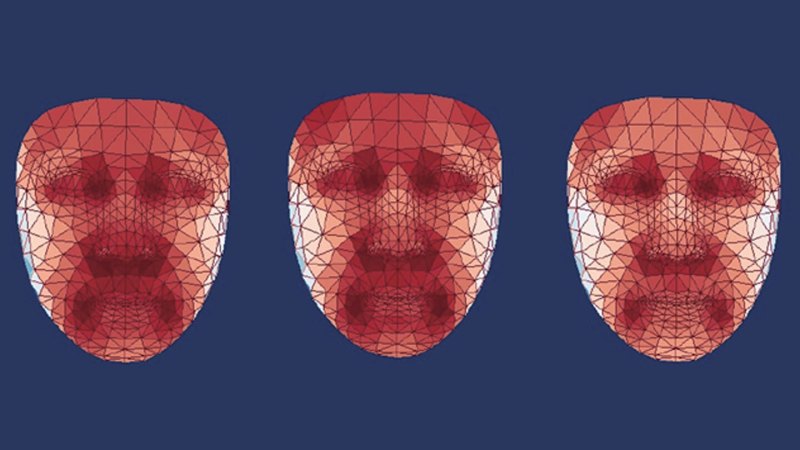
A blue background with three face heat maps in front of it

Reading people’s faces can literally give you a hint of how they are feeling on the inside. Mapping the face’s hot and cool spots can provide clues to a person’s biological age — that is, how fast their cells are aging — and even detect signs of chronic diseases as such as diabetes and high … Read more

A new element on the periodic table might be within reach 

An illustration of element 120 shows 120 electrons arranged around a nucleus.

To expand the periodic table, it might be time to go titanium.  A new study lays the groundwork to expand the periodic table with a search for element 120, to be made by slamming electrically charged titanium atoms, or ions, into a californium target. If produced, the new element would have an atomic nucleus brimming … Read more

Why Japan issued its first-ever mega-earthquake alert

A map of Japan is shown.

On August 8, the Japanese Meteorological Agency issued its first-ever “megaquake alert,” after a magnitude 7.1 earthquake rocked the Miyazaki prefecture in southern Japan earlier that day. The Miyazaki quake injured at least 16 people and generated minor tsunamis up to 50 centimeters tall that reached the country’s coastline about half an hour later. The … Read more

A hunger protein reverses anorexia symptoms in mice

Two white mice sit side by side as they eat from a pile of bird seed off of a white table.

An appetite-stimulating protein can reverse anorexia in mice. Mice with lack of appetite and weight loss — symptoms similar to people with anorexia — that were genetically tweaked to secrete a protein called ACBP ate more food and weighed more than anorexic animals with an ACBP deficit, researchers report August 14 in Science Translational Medicine. … Read more

Some meteors leave trails lasting up to an hour. Now we may know why

Some meteors leave trails lasting up to an hour. Now we may know why

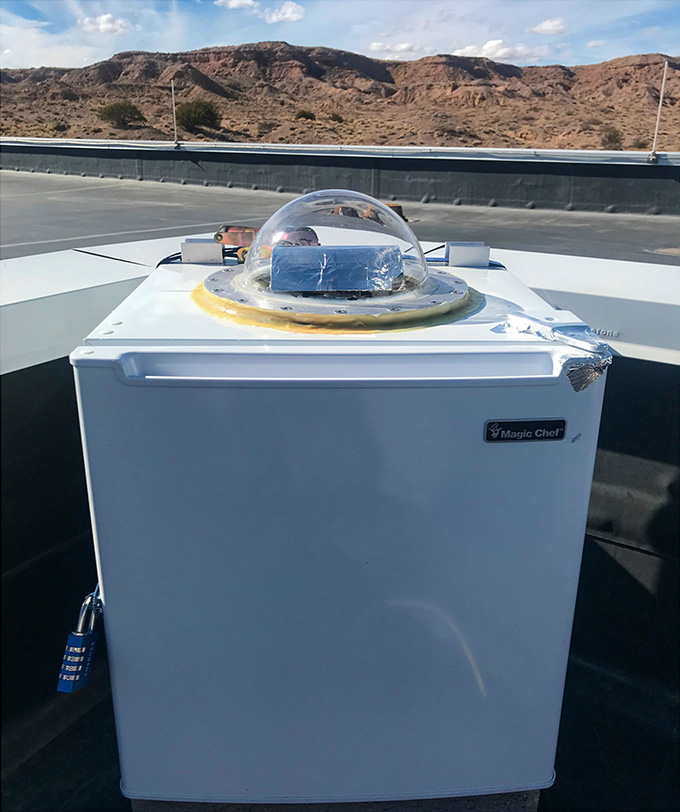
To leave a lasting trail, meteors need to aim low. A new survey of shooting stars shows that meteors that blaze through 90 kilometers up in the sky leave a persistent afterglow, unlike those that burn up at greater heights. Meteors are normally blink-and-you’ll-miss-it events. A particle of space dust leaves a fiery trail of … Read more

Dark matter experiments get a first peek at the ‘neutrino fog’ 

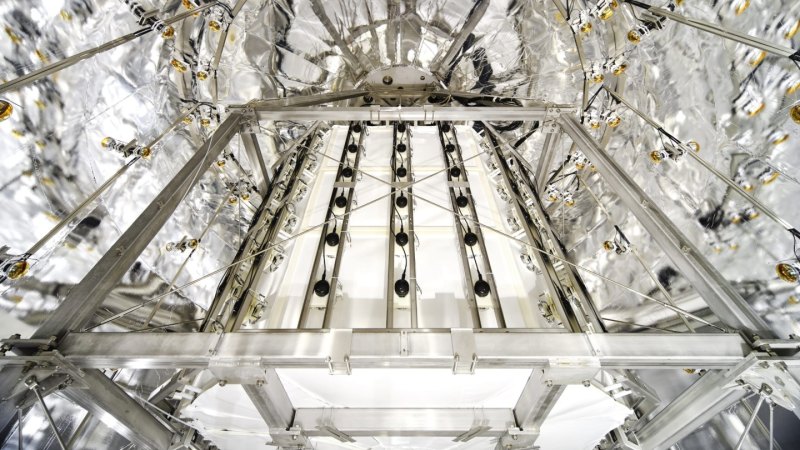
A metal structure in the innards of the XENON-nT experiment.

The neutrino “fog” is beginning to materialize. Lightweight subatomic particles called neutrinos have begun elbowing their way into the data of experiments not designed to spot them. Two experiments, built to detect particles of dark matter, have caught initial glimpses of neutrinos born in the sun, physicists report. “That’s a triumph,” says neutrino physicist Kate … Read more