Stonehenge’s mysterious Altar Stone had roots in Scotland

Stonehenge’s mysterious Altar Stone had roots in Scotland
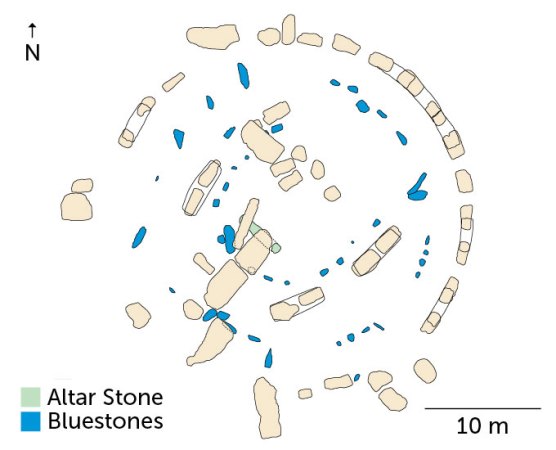
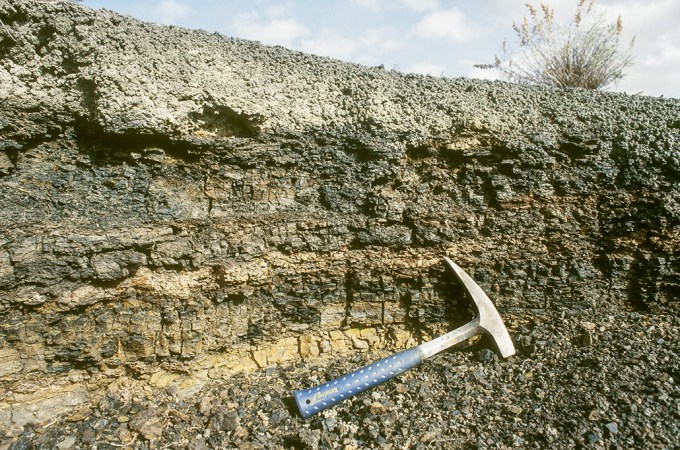
Stonehenge had a hard Scottish heart, a new study suggests. The ancient site’s central stone, a large slab known as the Altar Stone, consists of rock transported at least 750 kilometers from northeastern Scotland to southern England, say geoscientist Anthony Clarke of Curtin University in Perth, Australia, and colleagues. An analysis of the age and … Read more
Can light spark superconductivity? A new study reignites debate

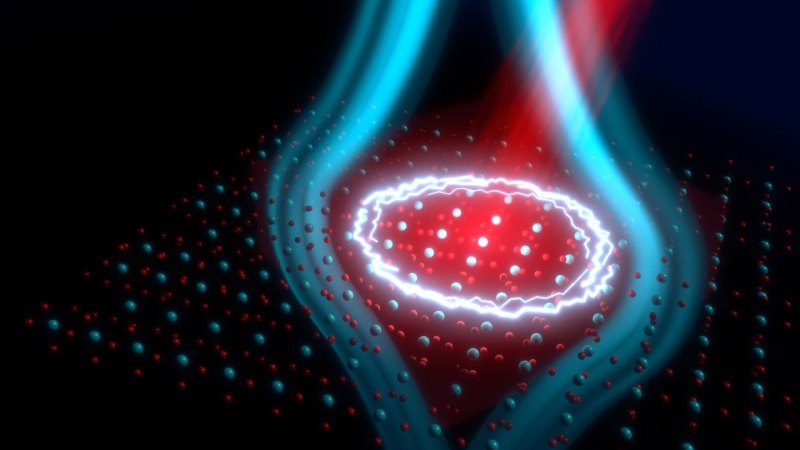
An illustration shows a grid of atoms being hit with a red beam of laser light. Blue lines indicating a magnetic field emanate from the lit-up region.

Brief blasts of light might make some materials into fleeting superconductors. A new study strengthens the case for this controversial claim, first made more than a decade ago. But while some physicists are convinced, others remain skeptical. Superconductors transmit electricity without resistance, typically only at low temperatures. But since 2011, some scientists have claimed that … Read more

Moonquakes are much more common than thought, Apollo data suggest

An Apollo 11 astronaut places a seismometer on the surface of the moon.

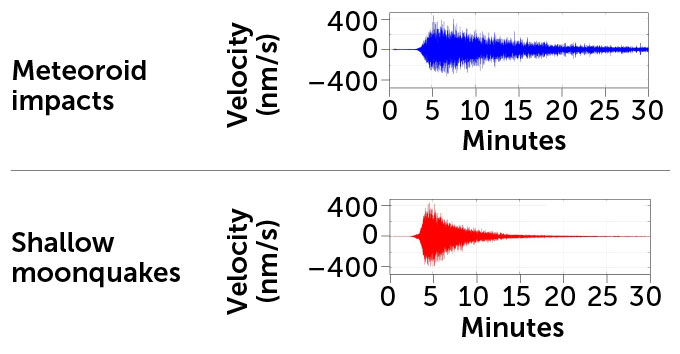
A new look at decades-old data from the Apollo missions has uncovered evidence of tens of thousands of previously unrecognized moonquakes. The results could reveal details about the moon’s inner workings and could have implications for future human missions. “There were more tectonic events on the moon, it’s more tectonically active than considered before,” says … Read more

Your face’s hot spots may reveal how well you are aging

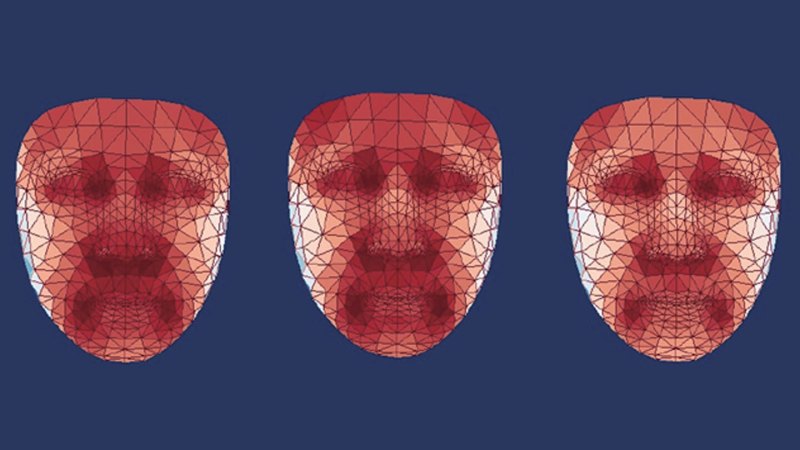
A blue background with three face heat maps in front of it

Reading people’s faces can literally give you a hint of how they are feeling on the inside. Mapping the face’s hot and cool spots can provide clues to a person’s biological age — that is, how fast their cells are aging — and even detect signs of chronic diseases as such as diabetes and high … Read more

More than 4 billion people may not have access to clean water

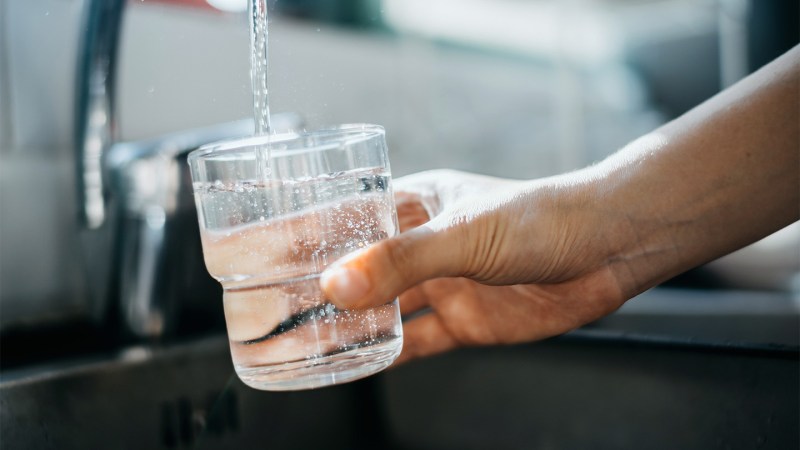
A stock image of a person holding a glass under a running faucet. The cup is filling with drinking water.

Access to clean water is a human right — one that half of the world may not have. Out of the roughly 8 billion people on Earth, more than 4.4 billion lack access to safely managed drinking water, researchers report August 15 in Science. The estimate, based on computer simulations of data from low- and … Read more

The asteroid that may have killed the dinosaurs came from beyond Jupiter

An illustration of an asteroid slamming into the ocean near Mexico.

Earth’s most famous killer asteroid came from the outer reaches of the solar system, researchers report in the Aug. 16 Science. About 66 million years ago, an asteroid slammed into the sea just off Mexico’s Yucatán Peninsula, forming the Chicxulub crater. That powerful impact may have triggered a mass extinction event on Earth, killing off … Read more

Astronauts actually get stuck in space all the time

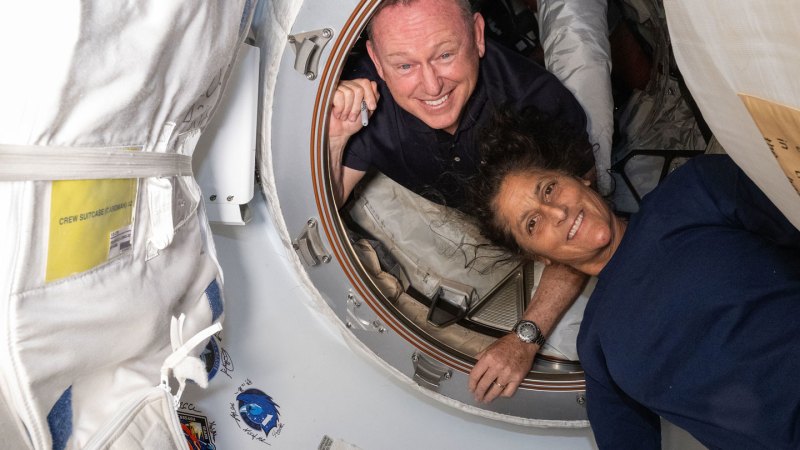
Astronauts Sunita Williams and Butch Wilmore float in the International Space Station.

Imagine going on a weeklong business trip and not coming home until the following year. That may be the situation for U.S. astronauts Sunita Williams and Butch Wilmore, whose eight-day mission to the International Space Station has already stretched to more than two months and is likely to go even longer. The pair launched to … Read more

Your medications might make it harder for you to beat the heat

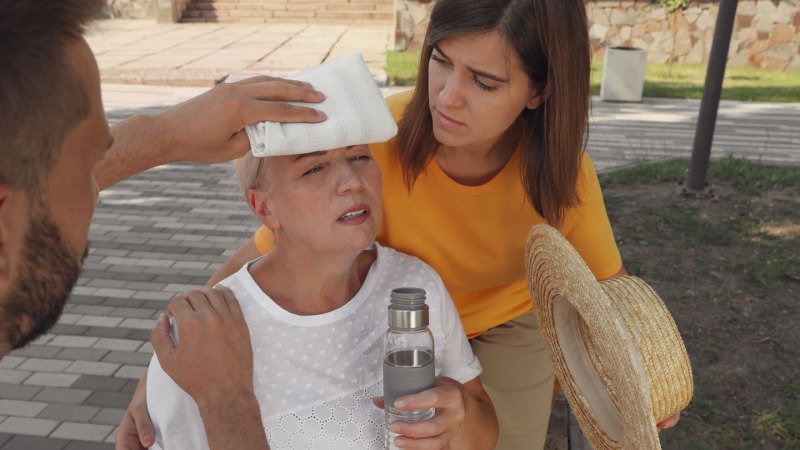
A man puts a white cloth on a woman

The pills stocked inside your medicine cabinet may factor into how well you can handle summer heat. Extreme heat can be deadly. As outdoor temperatures sizzle, our bodies jump into action to keep internal temps under control (SN: 8/6/23). Blood rushes to the surface of our skin to release heat as sweat pours onto it, … Read more

Paper cut physics pinpoints the most hazardous types of paper

A photo of a hand with a paper cut on the index finger.

Any way you slice it, a paper cut is painful.  Magazines, letters and books harbor a devious potential for minor self-induced agony. But other types of paper — like thin tissue paper or the thicker stuff used for postcards — are less likely to offend. Scientists have now explained the physics behind why some paper … Read more